

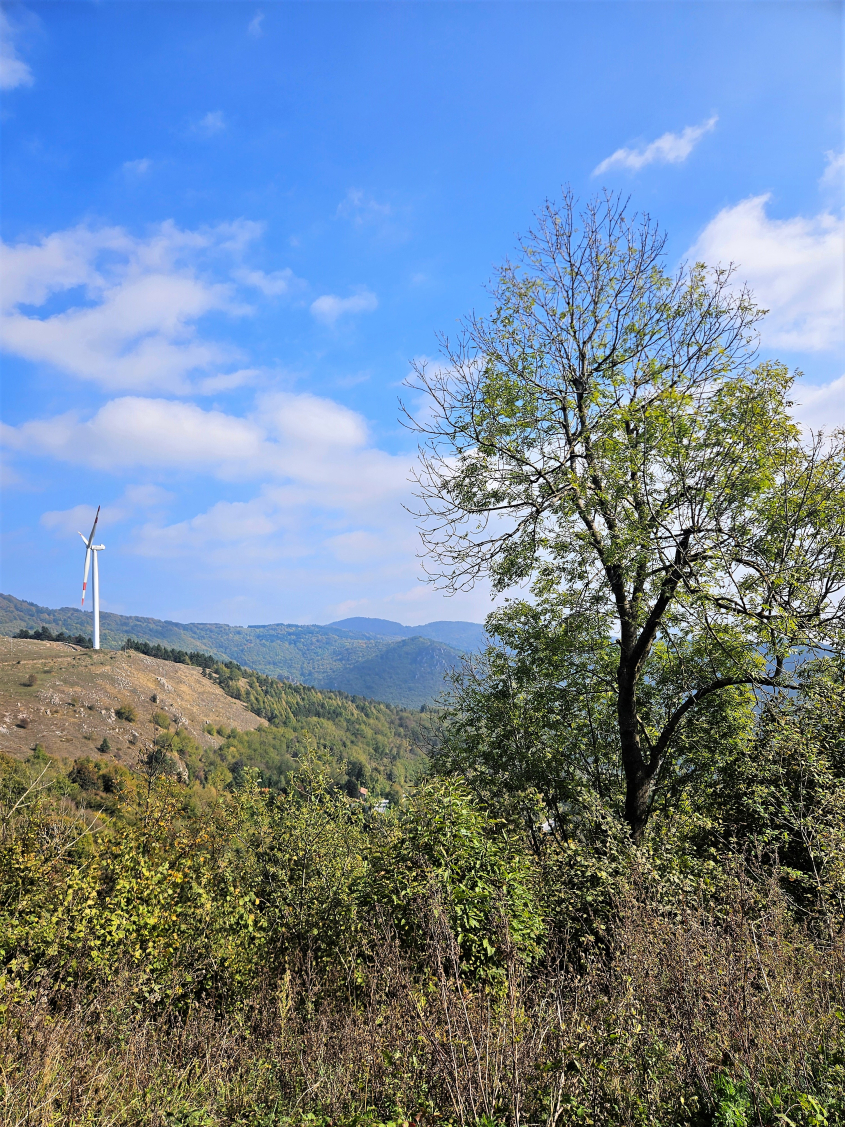
Italy's north-western region of Piedmont, the name of which translates as “foot of the mountains”, is world-famous for its excellent wines, white truffles and Alpine landscapes. Surrounded on three sides by the Alps and filled with fertile plains and vineyard-covered hills, the region is not only a destination for foodies and travellers but also one of the most historically significant and controversial hunting regions in all of Italy.
Royal traditions and hunting culture
The roots of hunting in Piedmont reach deep into history and are closely linked to the House of Savoy, which ruled the region for centuries and later unified Italy. In the 19th century, King Victor Emmanuel II, also known as the “King Hunter” or Re Cacciatore, established vast royal hunting reserves in the Gran Paradiso massif to save the Alpine ibex – stambecco – from extinction. It was from these hunting territories that the first national park in Italy was created in 1922.
Today, hunting in Piedmont is not a privilege of the aristocracy, but a tradition deeply rooted in rural communities and nature management. Italy has around 430,000 active hunters in total, and this culture is particularly vibrant in Piedmont, as it is inextricably linked to the region's culinary arts, such as the famous braised wild boar or venison in Barolo wine, traditions of breeding hunting dogs and strict land management.
What and how do they hunt in Piedmont?
Thanks to the diversity of the landscape – from the rice fields of the Po Valley to the three-thousand-metre-high Alpine slopes – Piedmont’s game fauna is very rich. Hunting management is divided into territorial hunting zones (ATC in the plains and hills) and Alpine hunting districts (CA in the mountains), with the regional government approving a strict hunting calendar each year.
In the mountains and wooded hills, the main game animals are roe deer, red deer, fallow deer, mouflon and Alpine chamois – camoscio – which are hunted strictly in accordance with selective hunting plans. Meanwhile, wild boar – cinghiale – have multiplied in Piedmont to such an extent that they cause significant damage to vineyards and agriculture, and the region is also facing a particularly acute situation with the containment of African Swine Fever. Hunting wild boar and reducing their population is carried out very intensively – both through driven hunts and selective hunting all year round.
In the plains and hills, hunting with bird dogs and hounds is very popular. Hunters go after hares, pheasants, red-legged and grey partridges, quail, wood pigeons, woodcocks and waterfowl. In the mountain highlands, there is a distinct and physically demanding tradition of hunting Alpine birds – black grouse and rock ptarmigan.
Lawsuits, environmental activists and the loudest scandals – the “war” of the calendar and the wild boar crisis
The general hunting season in Piedmont usually begins in the second half of September and lasts until the end of January, while Tuesdays and Fridays are designated as “hunting silence days” across the country. In recent years, almost no hunting season in Piedmont has passed without sharp political disputes, legal battles and public outcry.
Each year, as soon as the regional government approves the new hunting calendar, animal rights and environmental protection organisations – LIPU, WWF, LAV, ENPA – immediately file claims with the Regional Administrative Court of Piedmont, challenging permits to hunt endangered or declining bird species without the consent of the Italian Institute for Environmental Protection and Research (ISPRA). For example, in the 2026/2027 season, following an activist complaint, the court limited the hunting quotas for skylarks, reducing them by half, and by autumn had suspended the traditional hunting of Alpine birds – black grouse and rock ptarmigan. Due to this “legal ping-pong”, hunters often do not know until the very last moment which species they will be allowed to hunt the following week.
Piedmont is one of the main pig-farming regions in Italy – including supplying raw materials for the famous Parma ham – so the outbreak of African Swine Fever has caused huge tension. The authorities set a target to cull more than 40,000 wild boar within one year, creating “biological barriers” and involving the armed forces and specialist hunters. This caused dual dissatisfaction – environmental activists and animal rights groups staged protests against the mass culling of animals, including in suburban areas and parks, while agricultural organisations blamed the hunters and regional leadership for acting too slowly, failing to protect crops and farms from hundreds of thousands of euros in losses.
Due to high population density, discussions about hunting safety regularly flare up in society. Every autumn, the Italian media reports on tragic accidents where, in poor visibility, hunters injure each other or accidentally shoot unsuspecting mushroom pickers and cyclists using the same forest and mountain trails. Poaching is regularly uncovered in the region – both through illegal bird-trapping methods using cages and electronic lures, and the illegal hunting of protected predators, such as wolves or large birds of prey.
Comparison with Latvia
It seems that there is much that is familiar in Piedmont, and much that is completely different. Just like here in Latvia, the main role in population control and the protection of agriculture in Piedmont’s forests is played by the hunting of ungulates – roe deer, red deer and especially wild boar, which we also know well in Latvia, as we do the meaning of the fight against African Swine Fever.
However, unlike Latvia’s flat forests, where hunting collectives manage specific hunting grounds and organise group driven hunts in the usual woodland setting, hunting in Piedmont often means physically demanding climbs up steep Alpine cliffs or walks along vineyard terraces with bird dogs. An even greater difference lies in the social and legal environment – while in Italy the hunting calendar becomes an arena for lawsuits and sharp political disputes every autumn, in Latvia we can boast vast, continuous forest massifs, a stable and predictable legal framework for hunting, and a peaceful, natural environment where forest management proceeds in a tried, tested and orderly manner.