




Some time ago, we published an article (1) about six achievements in the Finnish bioeconomy that reduce the use of fossil-based materials in packaging and promote recycling. This article covers new developments in the packaging field.
1. Tall oil in cardboard packaging
According to data from UPM, if juice cartons and similar beverage containers are made of cardboard, they still contain approximately 20% fossil-based plastic. Thanks to the biological Bio Verno naphtha produced by UPM, it is possible to manufacture cardboard packaging entirely from wood, and it is recyclable (2).
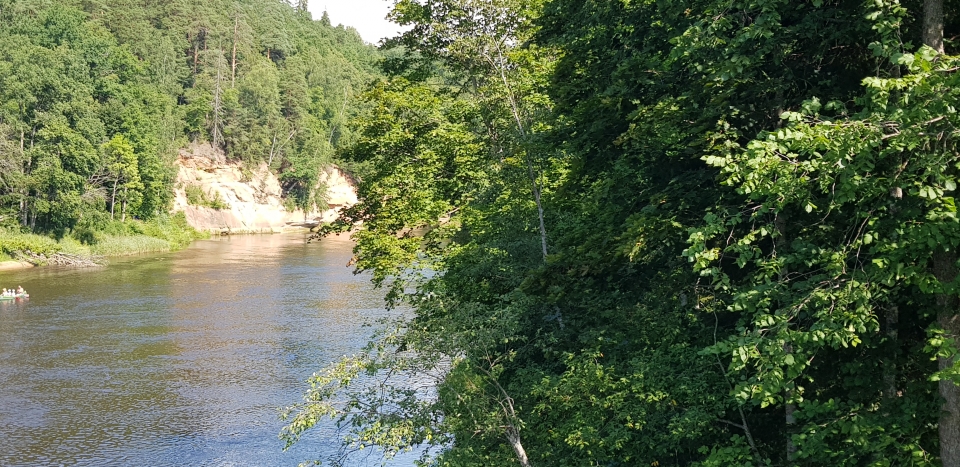
The naphtha is produced from tall oil, a by-product of pulp manufacturing (consisting primarily of resin acids and fatty acids), at the UPM biorefinery in Lappeenranta (Lappeenranta), in eastern Finland. It can be used in the production of plastics, adhesives, and raw materials for self-adhesive labels.
2. Salad bowl lids made from fibre
The company Stora Enso and the Swedish salad bar chain Picadeli have joined forces to find a solution to replace the plastic lids previously used for salad bowls with lids made from renewable fibre. According to information provided by Stora Enso, the fibre lids contain no plastic and are biodegradable and recyclable (3).
In Nordic countries, Pick-and-mix salad bars in grocery stores are popular, and they use a large number of cardboard salad bowls. The solution described above reduces plastic waste by approximately 120 tonnes per year. The company claims that the carbon dioxide emission footprint (CO2 footprint) of the fibre lids is up to 75% lower than other possible alternatives, such as using plastic or sugar cane in lid production.
Stora Enso explains that the fibre can be pressed into shapes suitable for other single-use food packaging, such as non-plastic beverage cups, bowls, plates, and box-type containers.
3. Cake box (for emission reduction)
The Viipurilainen Kotileipomo bakery wanted to change the design of its existing cake boxes. While exploring options, a solution was offered by Metsä Board. The bakery, founded in 1924, and the forestry company jointly created a recyclable cake box which, according to the designers, reduces material consumption by one quarter and carbon dioxide emissions by approximately one third (4).
Naturally, the use of plastic was reduced, and according to representatives of the bakery, the new boxes can be assembled faster than the old ones.
4. Commercial production of wooden bottles has begun
The packaging company Pulpex and Stora Enso will commission an industrial-scale production line for wooden bottles and packaging within the year.
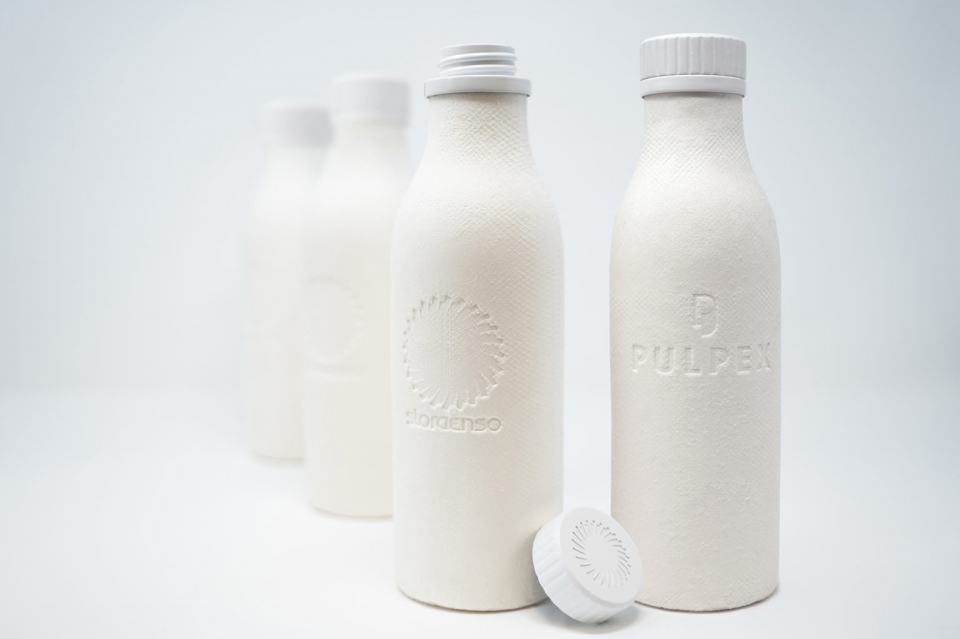
According to information from Stora Enso (5), wooden bottles are renewable, recyclable, and biodegradable. The company states that the CO2 footprint of these bottles is significantly lower than that of glass or plastic bottles, emphasising that the properties of wooden bottles are equivalent to standard beverage packaging. (More about wooden bottles)
5. Renewable, grease-resistant paper
In May 2021, UPM announced Asendo Pro paper for food packaging (6), which is made from renewable materials.
This paper is suitable for packaging both dry and greasy food products and confectionery, as well as frozen food products. It can be used to replace traditional plastic packaging; it is both recyclable and compostable.
6. Golf ball box turns into an insect hotel
A Metsä Board box for golf balls can be transformed into an insect hotel. The folding carton box, intended for the company Golf Coat, was developed through the collaboration of a design consultant, Metsä Board, and a packaging manufacturer (7).
“In 2021, together with our customers and partners, we organised 36 virtual workshops. Some of these were intended for improving current packaging, while others created something completely new, such as an insect hotel,” states Metsä Board Customer Experience Manager Gunilla Nykopp in a press release.
1.https://www.zemeunvalsts.lv/koksne-elektromobilu-akumulatoros-purva-ravas-attirisana-sesi-jaunumi-somijas-bioekonomika
2.https://www.upmbiofuels.com/chemicals/
3.https://www.storaenso.com/en/newsroom/press-releases/2022/2/stora-enso-and-picadeli-join-forces-to-reduce-single-use-plastic-in-salad-packaging
4.https://news.cision.com/fi/metsa-board-oyj/r/uusi-leivospakkaus-vahentaa-paastoja-kolmanneksella,c3541838
5.https://www.storaenso.com/en/newsroom/press-releases/2021/5/stora-enso-and-pulpex-partner-to-produce-fiber-based-bottles-on-industrial-scale
6.https://www.upmspecialtypapers.com/products/paper-catalogue/categories/packaging-papers/barrier-paper-upm-asendo-pro/#key-features
7.https://www.metsaboard.com/Media/Trends-and-inspiration/Pages/Metsa-Boards-co-creation-workshop-results-in-an-innovative-insect-hotel.aspx
Translated from English. Photographs from the original article used