



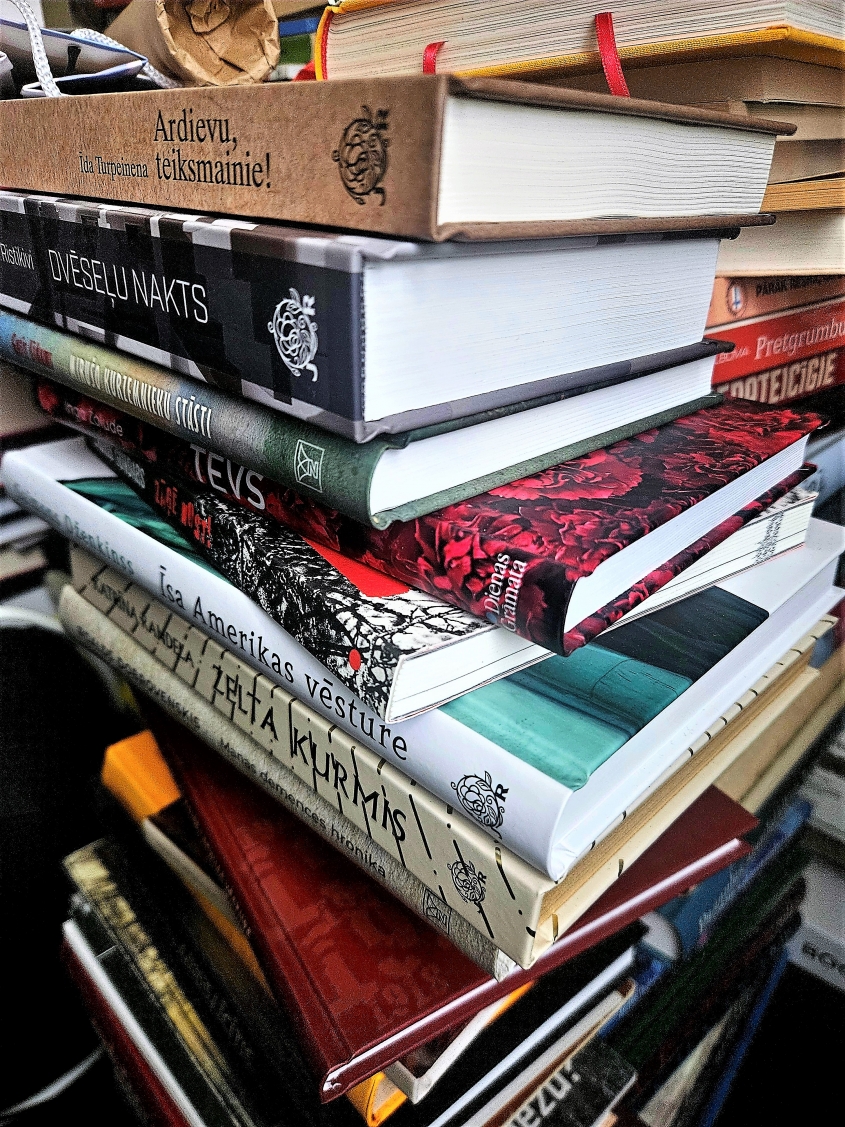
Students learn and understand learning material better when reading text printed on paper rather than reading from screens – this is the conclusion of a study recently conducted by the National Centre for Reading at the University of Stavanger (Norway). Teachers surveyed at the “Dabā” (In Nature) teachers' forum organised by AS “Latvijas valsts meži” (LVM) agree that paper, which is derived from a renewable resource, wood, has significant advantages and should be used as much as possible in the learning process.
Although digital tools play an important role in education, research shows that printed materials can have significant advantages as they help with concentration, understanding and memorising content. This is especially true for students who need extra support with reading.
Pēteris Kaļva, a “Design and Technology” teacher from Sigulda City Secondary School, highlights:
“One of the best qualities of paper is that it allows students to learn better from their mistakes, because a ‘trace’ remains on the paper – the student can see where they went wrong, unlike in a digital environment where making a mistake means everything is deleted and a blank screen remains. There is a high probability that the young person will make the same mistake again, without moving forward or learning anything new.
Using paper is very effective for learning things like spatial modelling, for example. You can sketch a 2D drawing on paper, fold the paper and find a solution, which allows the student to grasp spatial principles well.”
Guest speaker at the “Dabā” teachers' forum, Rolf Jucker (Rolf Jucker), a leading expert from the Swiss environmental education organisation “Silviva”, emphasises the importance of paper in the field of education and also in the physical health of young people:
“Reading and writing on paper improves learning and memory, so it helps children to remember things and connect them in their minds. Secondly, studies show that the prevalence of myopia – the inability to see distant objects clearly – is increasing among children and young people. Intensive use of digital devices and reduced time outdoors are among the risk factors, and by 2050, myopia could affect around half of the world's population. As a preventative measure, it is advisable to spend 1 to 2 hours in nature during daylight hours, and also to write and read in an outdoor environment.”
The study conducted in Norway highlights the problems that a digital reading environment can cause. Online reading is often associated with distractions that divert attention, such as notifications and pop-up windows, as well as easy access to other apps and activities. Furthermore, reading on a screen requires more navigation and decision-making, placing an additional burden on the reader's attention. Pēteris Kaļva agrees, pointing out that text printed on paper can be read without external irritation. If a young person is given text to read digitally during a lesson, there is a high chance they will find a way to ‘escape’ from that text.”
The study in Norway compared how students in vocational education institutions understood printed and on-screen texts related to their subjects. The conclusion was clear: when reading digitally, students with lower reading skills understood the text less well. However, it is impossible not to note the positive benefits of the digital environment, which, for example, helps young people with dyslexia to read and learn the material.