



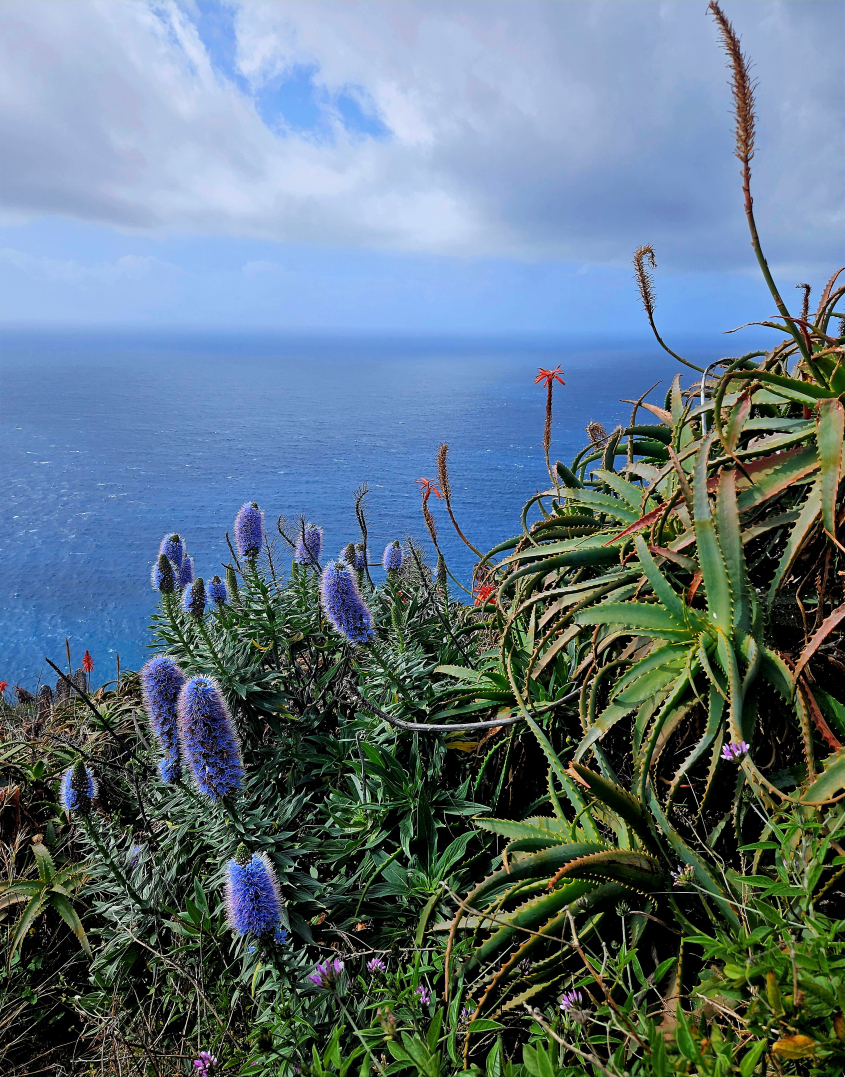
The island of eternal spring, Madeira, has become one of the most popular travel destinations for Latvians in recent years, enticing visitors with its breathtaking mountain trails, ancient Laurissilva laurel forests and long walks along the levadas. This picturesque scenery hides a centuries-old and fascinating story of how economic activity and hunting traditions have shaped the island's ecosystem.
When Portuguese sailors discovered Madeira in 1419, there were no other land mammals on the volcanic island – only bats. During the first decades of colonization, in the so-called Donatary period between 1425 and 1440, Portuguese nobles deliberately introduced European wild rabbits and domestic ferrets to the island, establishing the medieval aristocratic 'art of hunting' (arte de montear). In the warm climate and without natural predators, the rabbits multiplied very quickly, becoming a serious threat to agriculture, which is why hunting soon evolved from an aristocratic pastime into a vital necessity for food procurement and crop protection. The seeds of sustainable management appeared on Madeira as early as the 15th century – to protect the local fauna from being hunted to extinction, special hunting exclusion zones, or coutadas, were created.
Hunting management on the island today
Unlike in continental Europe and Latvian forests, there are no large ungulates or other large game animals in Madeira. According to regional regulations, only five species may be hunted on the island, and the hunting season is strictly regulated – it lasts from the beginning of October to the second half of December, and hunting is only permitted on Thursdays, Sundays and public holidays during daylight hours (from 08:30 to 17:00).
Wild rabbits (coelho-bravo) and rock doves (pombo-da-rocha) may be hunted for the longest period – from 5 October to 20 December; however, from mid-November, this is permitted only on agricultural land to protect forest habitats. The hunting season for red-legged partridges (perdiz-vermelha) is short, lasting until 8 November, while migratory birds – the woodcock (galinhola) and the common snipe (narceja-comum) – are permitted to be hunted from 15 November to 20 December, only on Sundays and public holidays until midday. All other wild animals on the island, including the endemic Madeiran laurel pigeon (Columba trocaz), are strictly protected.
Ferrets – from helper to invasive species
In Latvian, both the biologically correct term 'mājas sesks' and the common term 'fretka' (Mustela putorius furo) are used in hunting and everyday life; in Portuguese, this animal is called furão. Thanks to their flexible bodies and keen hunting instincts, ferrets were the primary 'tool' for rabbit hunting for centuries. Hunters would head into the wild, taking the animals with them in special wooden or cork boxes with air holes, known as furoeiras. After covering the exits of the rabbit burrows with nets, the hunters would release a ferret into the burrow, which would flush the rabbits out, driving them directly into the hands of the dogs or the hunters.
Over the centuries, some of the animals used for hunting escaped, adapting perfectly to life in the wild. As strictly nocturnal and crepuscular predators, ferrets sleep for up to 18 hours a day in abandoned rabbit burrows, rock crevices or stone walls, only venturing out to hunt in the dark. They breed actively in spring and summer – after a six-week gestation period, an average of 5-8 young are born, which start living independently after only three months. It is impossible to determine the exact number of wild ferrets due to their secretive lifestyle and the steep mountain terrain, but biologists estimate that there could be anywhere from several hundred to a couple of thousand individuals living on the island.
Ecosystem balance and the protection of forest inhabitants
Because the Madeiran islands developed in isolation, without land predators, the local birds did not evolve defenses against them. Along with rats accidentally introduced by ships and domestic cats that have gone feral, ferrets have become one of the greatest threats to the island's biodiversity. Particularly endangered is the world's rarest Zino's petrel (Pterodroma madeira or freira-da-Madeira), the nesting population of which today numbers only a few dozen pairs, residing solely on the high-altitude ridges around Pico do Areeiro. These birds nest in burrows dug into the ground and lay only one egg a year, which is why invasive predators are capable of wiping out entire colonies.
To protect endangered species, the Institute of Forests and Nature Conservation of Madeira (IFCN), in cooperation with the Portuguese Society for the Study of Birds (SPEA), conducts regular night monitoring using thermal cameras, sets up camera traps, reinforces bird nesting burrows and places live-capture cage traps in sensitive natural areas.
On the other hand, in Madeira's forests – the unique Laurissilva laurel forests listed as a UNESCO World Heritage site – the animal world is completely safe for visitors. The island has no venomous snakes, dangerous spiders or large predators. On forest and levada trails, you will encounter the curious, endemic Madeiran wall lizard (Teira dugesii), the colorful Madeiran chaffinch (Fringilla maderensis), the Madeira firecrest (Regulus madeirensis) and the Madeiran laurel pigeon at almost every turn.
A coastal success story – the Mediterranean monk seal
Madeira's nature conservation experience is linked not only to forests and mountains but also to the ocean coast, where one of the world's most successful species recovery projects has been implemented. In the 15th century, thousands of Mediterranean monk seals (Monachus monachus), known by locals as 'sea wolves' (lobo-marinho), inhabited the island's coastal caves. It is after these animals that the famous fishing village Câmara de Lobos is named, and seals still adorn the coat of arms of Madeira.
Over the centuries, intensive hunting for skins and oil, as well as fishing nets, brought the species to the brink of extinction – by the late 1980s, only about eight monk seals remained in the archipelago. The strict protection program launched in 1988 and the nature reserve established in 1990 on the nearby Desertas Islands (Ilhas Desertas) yielded results. Today, the Madeiran monk seal population has slowly recovered to about 30-40 individuals and is considered one of the few growing groups of this species in the world, serving as a shining example of how purposeful nature management can correct centuries of human-inflicted damage.
Compared with our own forests
Looking from a Latvian perspective, it is hard not to notice the stark contrast. Our hunting traditions, forest ecosystems and wildlife are different – red deer, elk, roe deer and wild boar roam the forests of Latvia, alongside large predators; hunting management is an essential, natural part of maintaining population balance. Although the nature of Latvia differs from the mountains and laurel groves of a subtropical volcanic island, we, too, can boast of an extremely rich, diverse and unspoiled environment. Both a distant island in the middle of the ocean and our own forests and bogs remind us of one thing – nature is magnificent, and its preservation for future generations depends on how wisely and responsibly we know how to manage it – without exaggerations or unnecessary hysteria...