



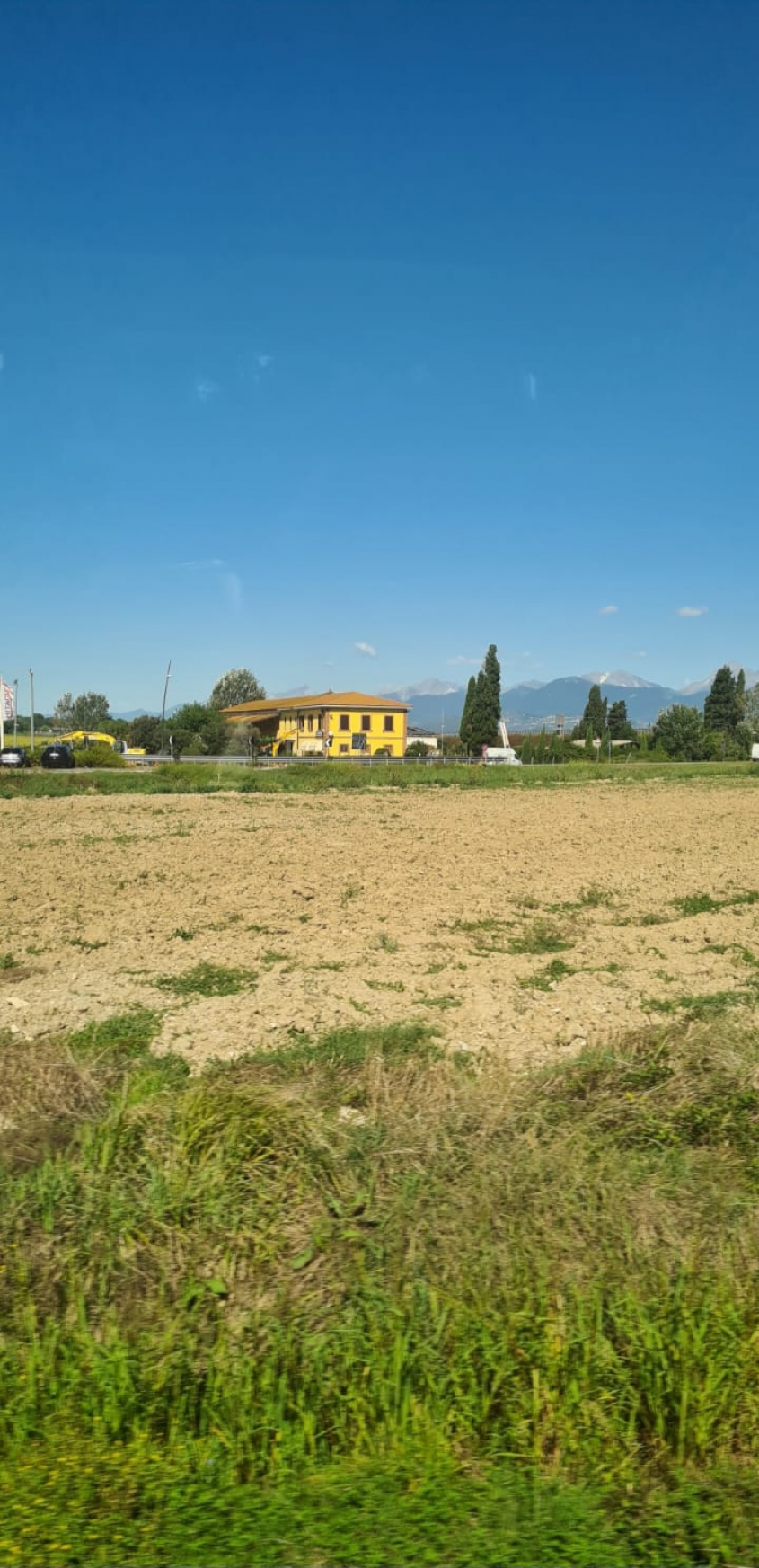
Rural areas cover 83% of the European Union's territory, yet they are home to only a quarter of the EU's population.
People living in European rural areas feel overlooked by institutions and government bodies, as the gaps in provision and living conditions compared to urban agglomerations have widened in recent years – this is the conclusion of a new Eurofound report.
“Investment in education and training in rural communities must be a priority,” argues Eurofound Head of Social Policy Massimiliano Mascherini (Massimiliano Mascherini), as many rural residents feel neglected.
Over the last decade, the income gap between rural and urban residents has widened by nearly 20%. It should be noted that the risk of poverty or social exclusion is higher in rural areas than in cities and suburbs, as evidenced by 2022 Eurostat data.
The most visible difference between urban and rural territories in Europe is the stark contrast in employment opportunities and poorer provision of public services in rural areas. It is expected that the situation will be further exacerbated by population decline and ageing. The costs of essential everyday services will rise significantly.
Eurofound notes that urban areas and their surrounding regions have higher employment rates, higher average GDP per capita, and greater productivity. These figures indicate that rural areas are currently less attractive for working and living. There are better growth opportunities in cities, which particularly affects young people and those with higher education. Statistics show that rural areas consistently have a higher so-called NEET (Not in Education, Employment, or Training) rate, which limits the prospects and opportunities for young people. Women in rural areas also face difficulties, as gender employment gaps are larger than in cities.
“Providing childcare services in rural areas, as well as quality physical and digital infrastructure, could increase the appeal of rural areas for working-age youth. Otherwise, young people will choose to move to cities,” the Eurofound report stresses.
Another pressing problem is the “digital divide”, which creates significant barriers to education, employment, and participation in the digital economy. Compared to urban residents, rural populations often lack digital skills, have fewer computers, and have slower internet connections. There are positive factors, too – rural residents have lower housing costs and generally own their homes. It should be emphasised that living in the countryside gives people access to an unpolluted environment, space, and the quality-of-life benefits provided by nature. These lifestyle differences create a so-called seven per cent “recognition gap” (a term coined by Eurofound for the situation). This is how the attitude towards citizens living in cities versus those living in rural areas is perceived in the European Union.
The gap between rural and urban territories is not just an economic problem; it has far-reaching social consequences.
Surveys show that urban residents are more likely to engage in informal political activities, such as protesting, signing petitions, and participating in various socio-economic initiatives (with the exception of Cyprus, Greece, Luxembourg, Malta, Ireland, and Cyprus).
Residents of less affluent regions feel that their economic, social, and cultural identity is under threat. Such inequality can erode trust in both governments and the European Union and potentially lead to social unrest.
“This can lead to a rise in populism and encourage voters to turn towards more authoritarian leaders,” the Eurofound report concludes.
Eurofound report
https://euobserver.com/health-and-society/157584